Golden Hour Warmth and Long Shadows
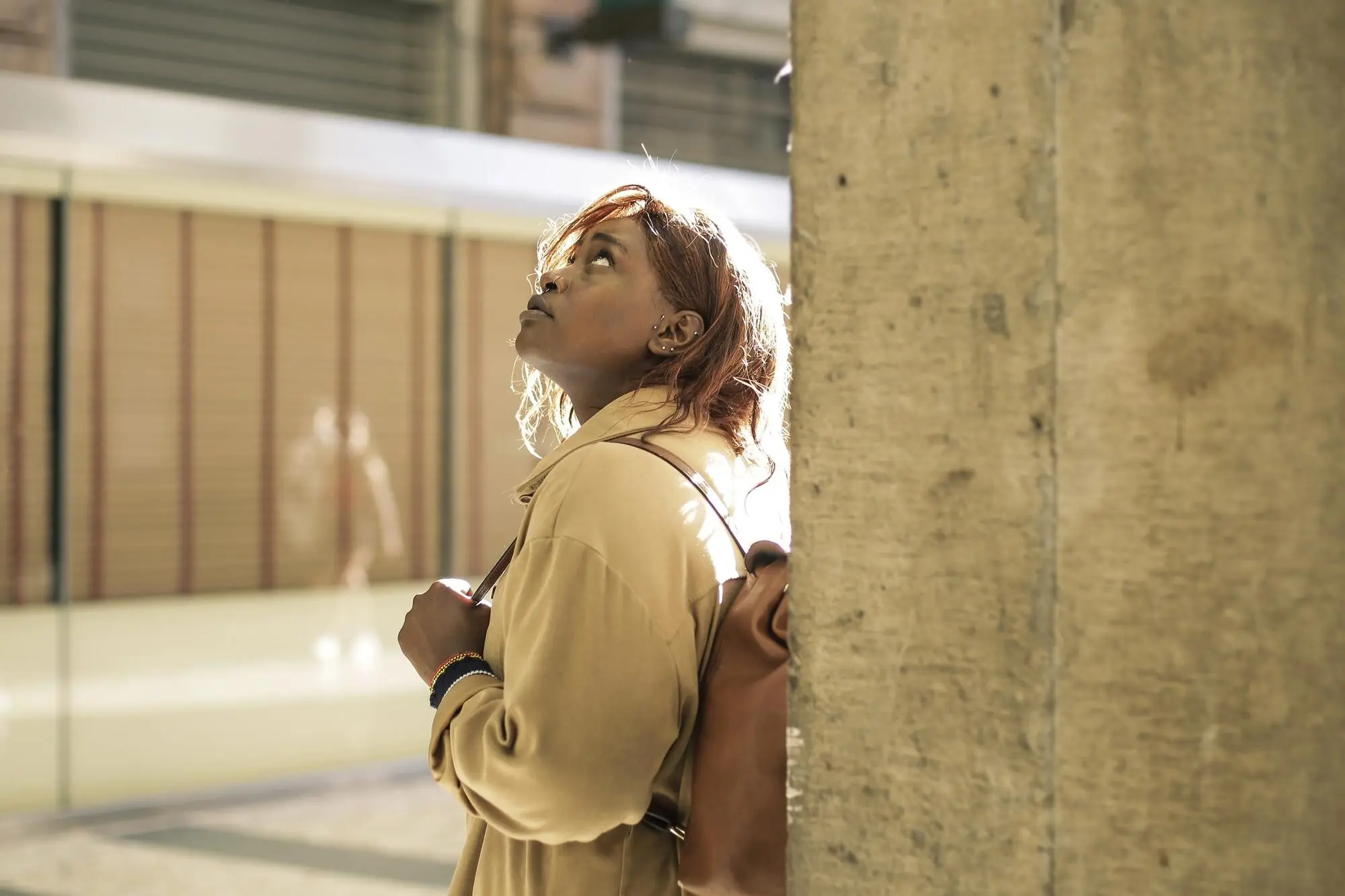
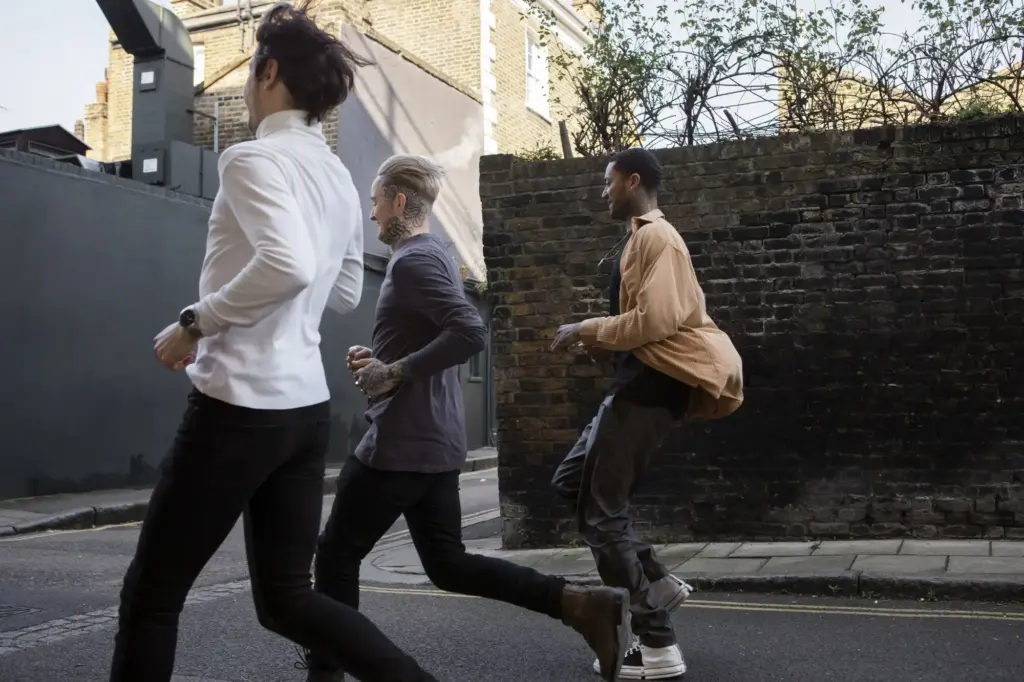
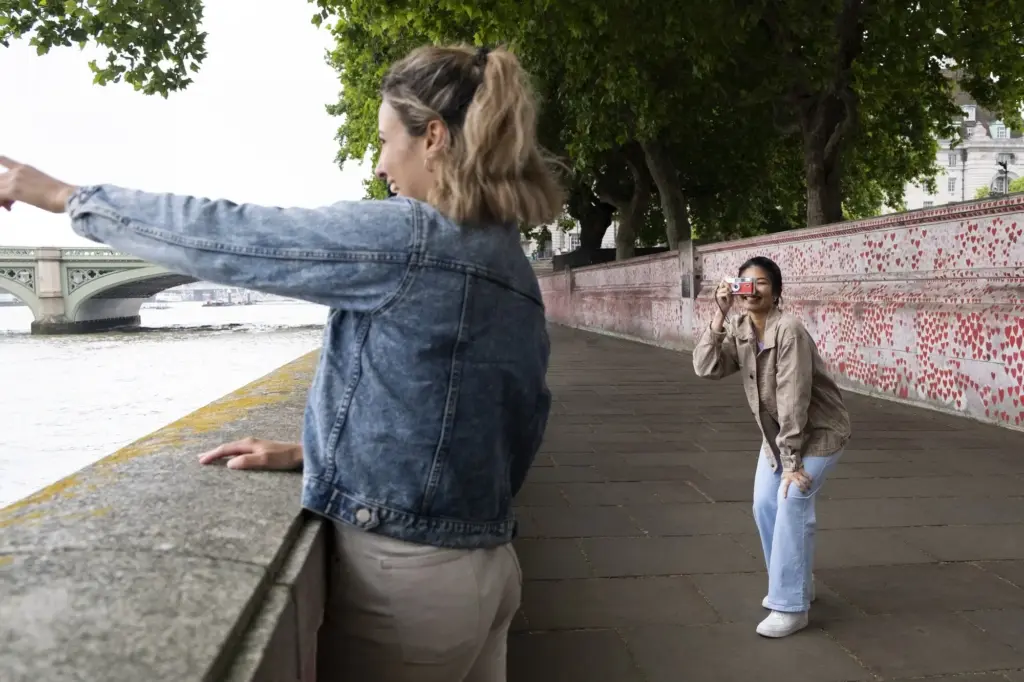
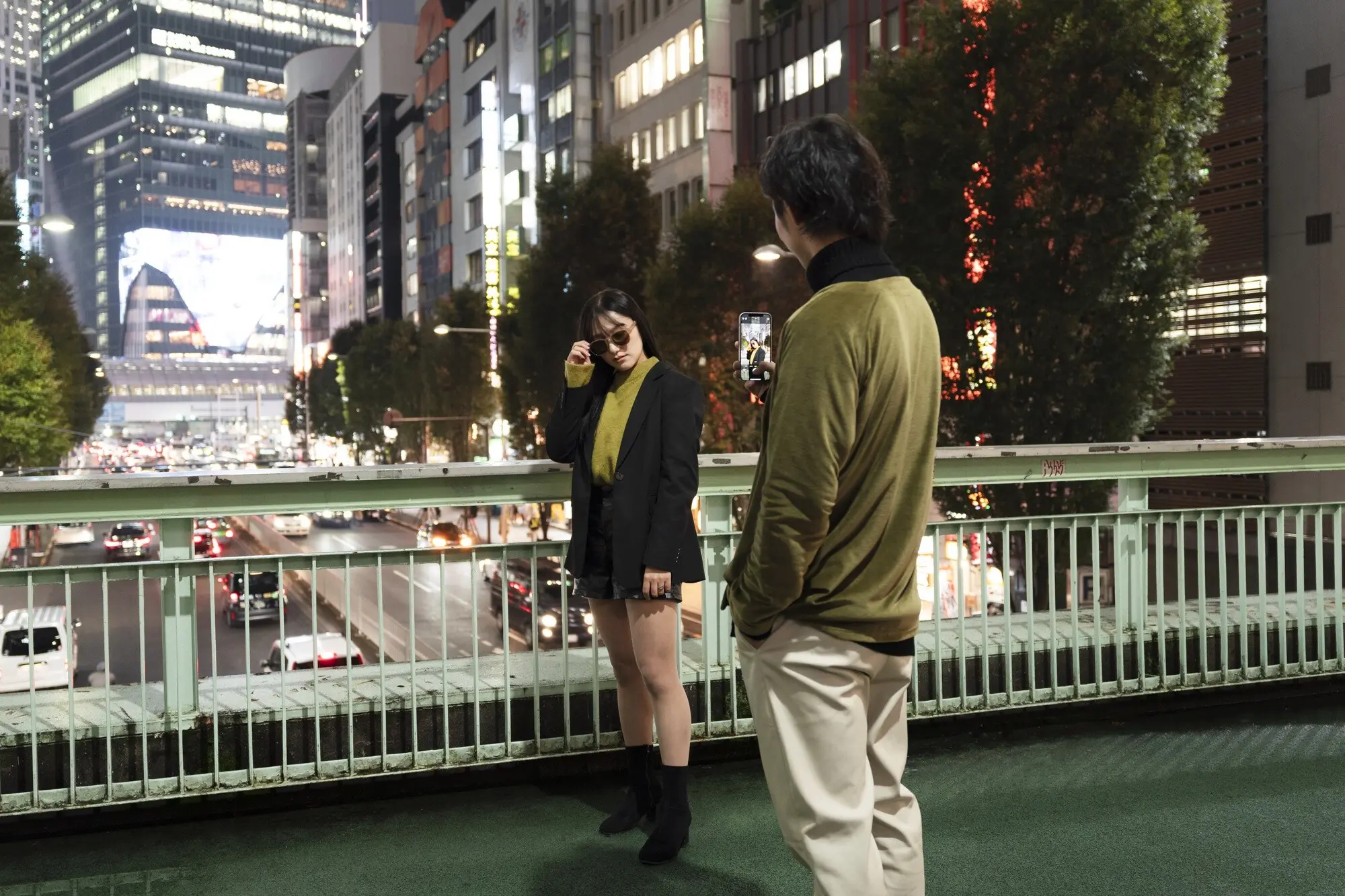
Plan routes that catch low-angle warmth skimming facades, igniting bricks and brass signage. Long shadows add dimensional drama and isolate color blocks. If crowds surge, wait for a single figure in contrasting clothing to cross, giving scale and a precise accent within the frame.
Overcast Softboxes and Reflective Streets
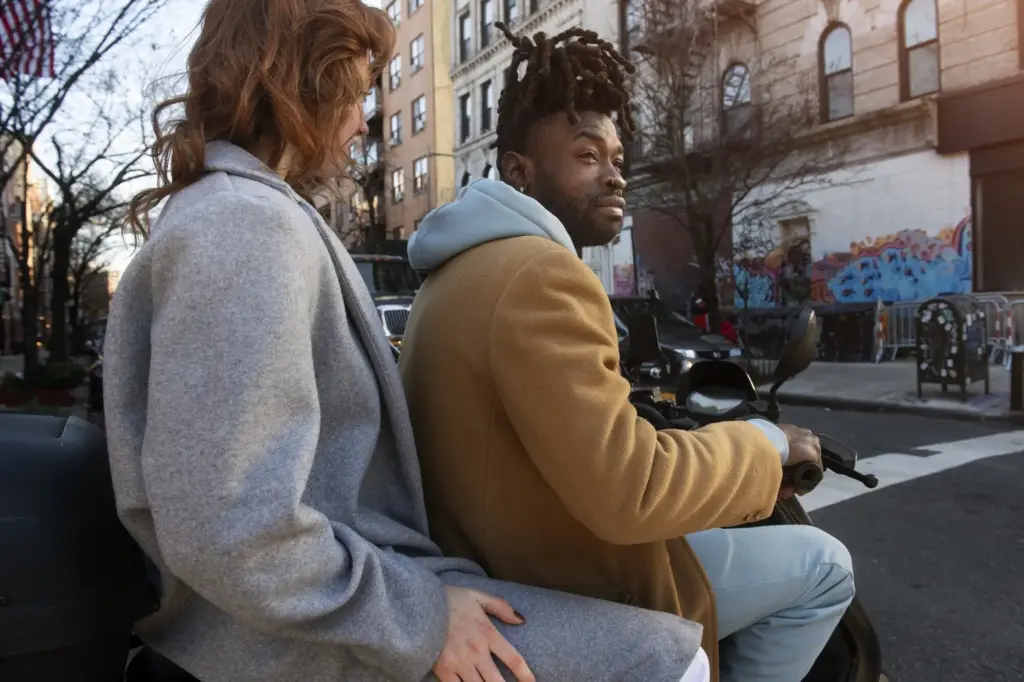
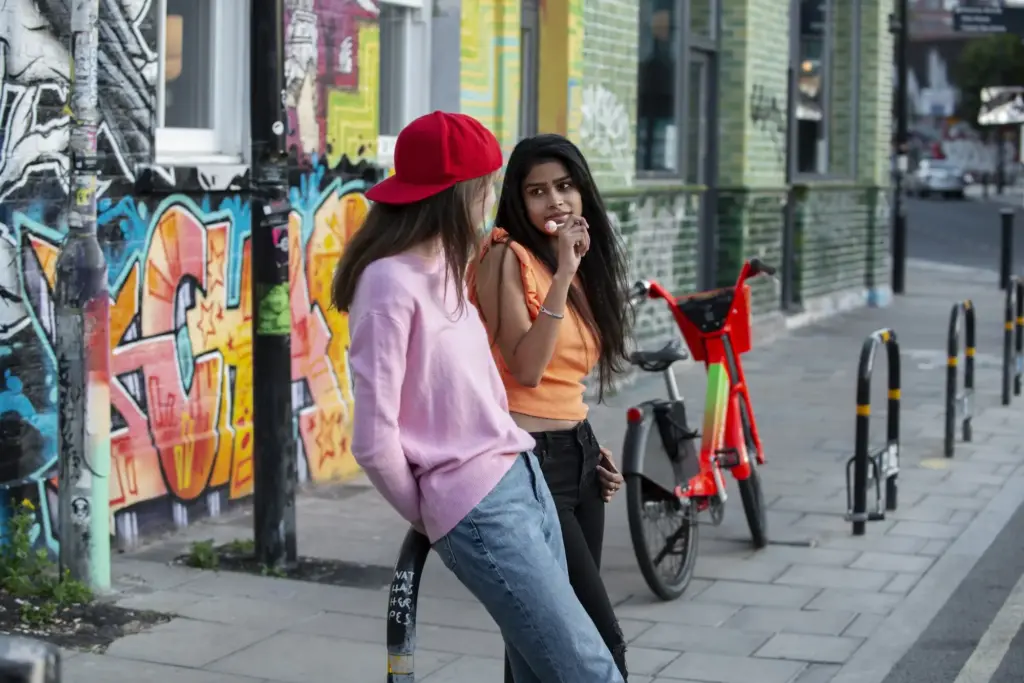
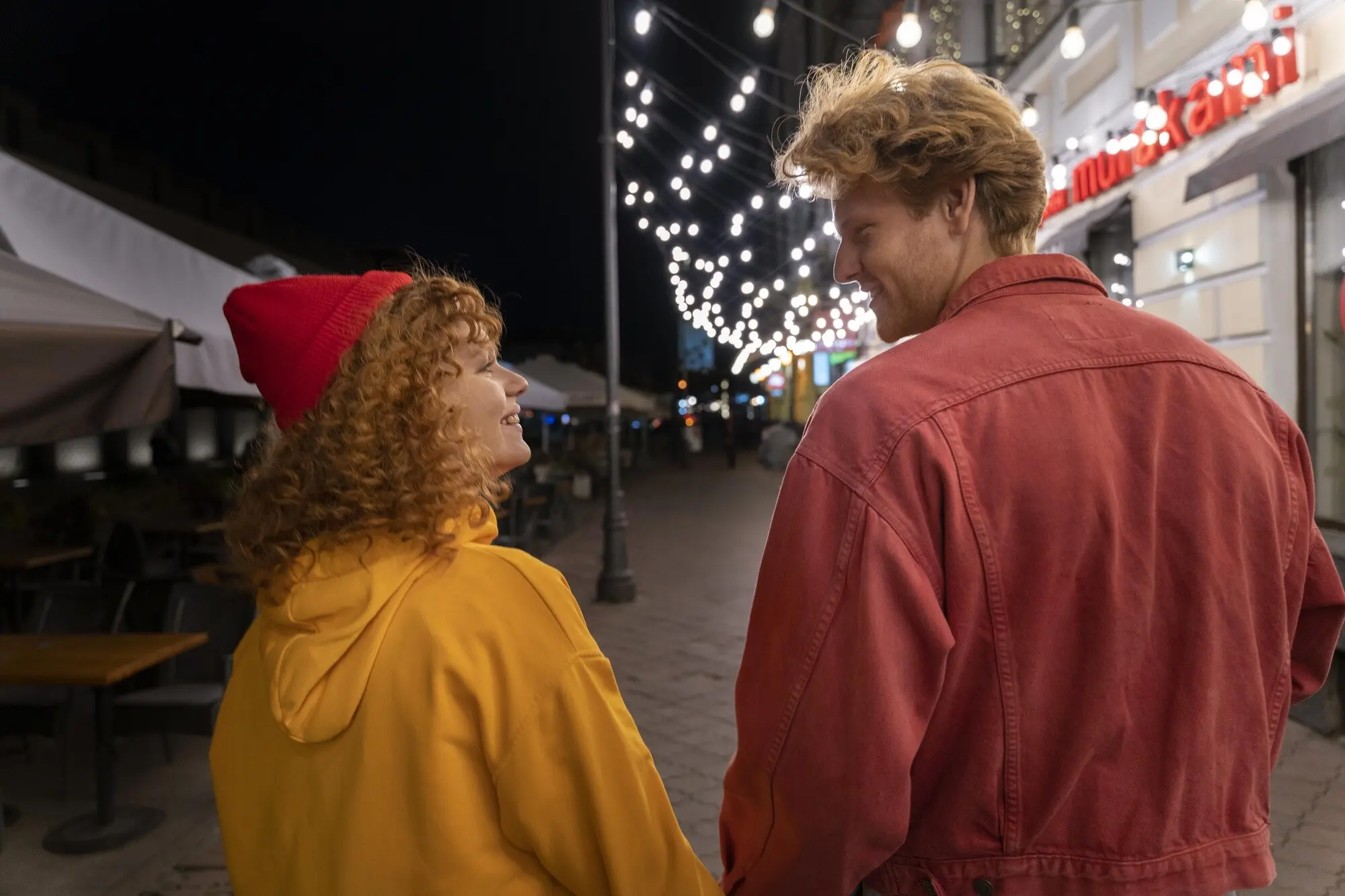
Flat light minimizes harsh contrast and turns the city into a giant softbox, perfect for nuanced palettes and skin tones. Seek reflective surfaces like painted doors and wet pavements. Colors become creamy, textures glow, and small gestures read clearly without being crushed by brightness.
Blue Hour, Neon, and Night Glow
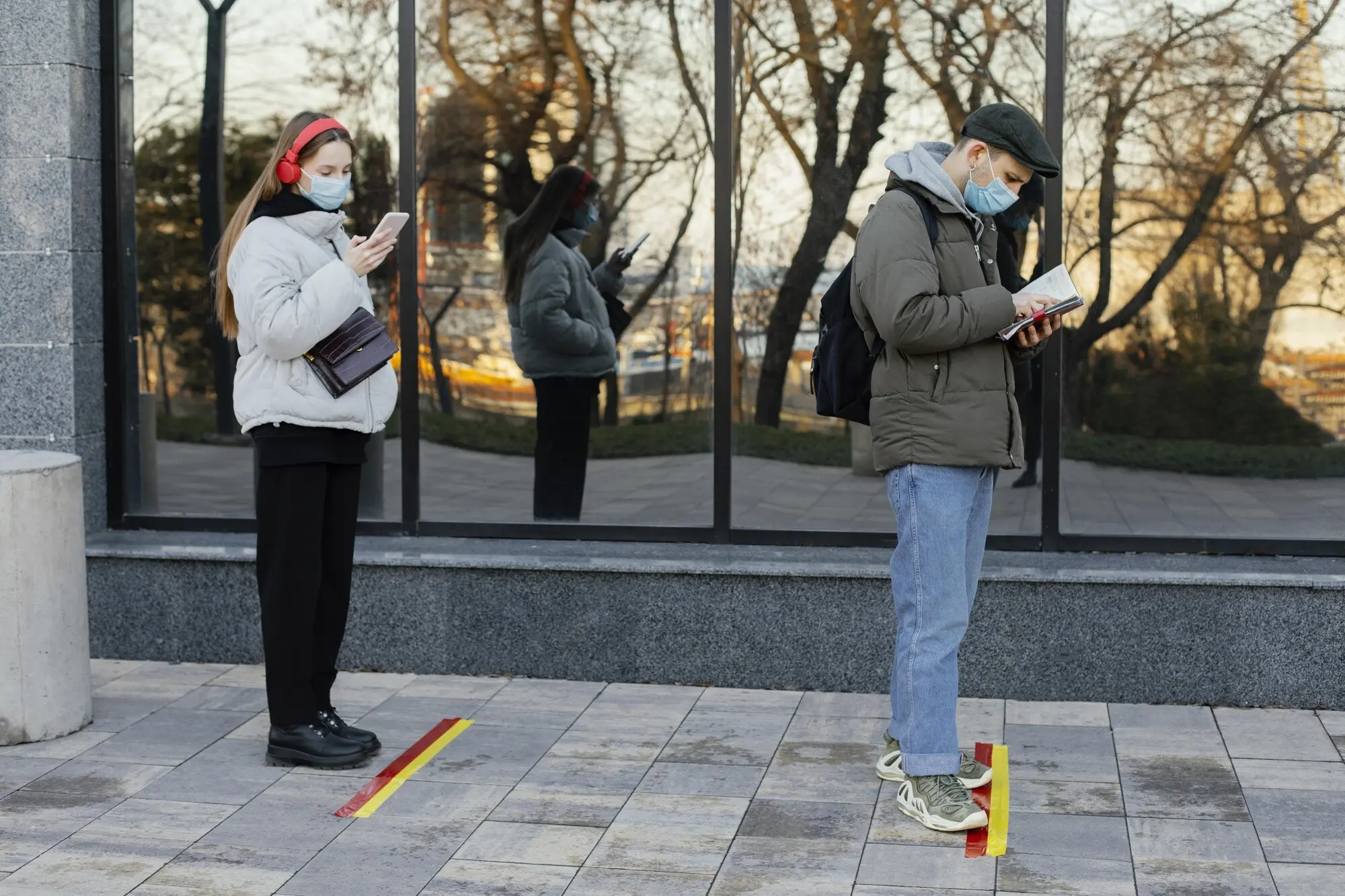
Blue hour cools concrete to slate, ignites windows with tungsten warmth, and invites neon to dance. Stabilize your camera, expose for highlights, and let ambient shadows breathe. Color contrast intensifies, reflections multiply, and the ordinary storefront transforms into a radiant stage for passing stories.